Paint protection
Ceramic Coating in Charlotte
A durable, semi-permanent layer that bonds to properly prepared clear coat, making the surface slicker, glossier and easier to keep clean through Carolina pollen, heat and rain.
What ceramic coating actually is
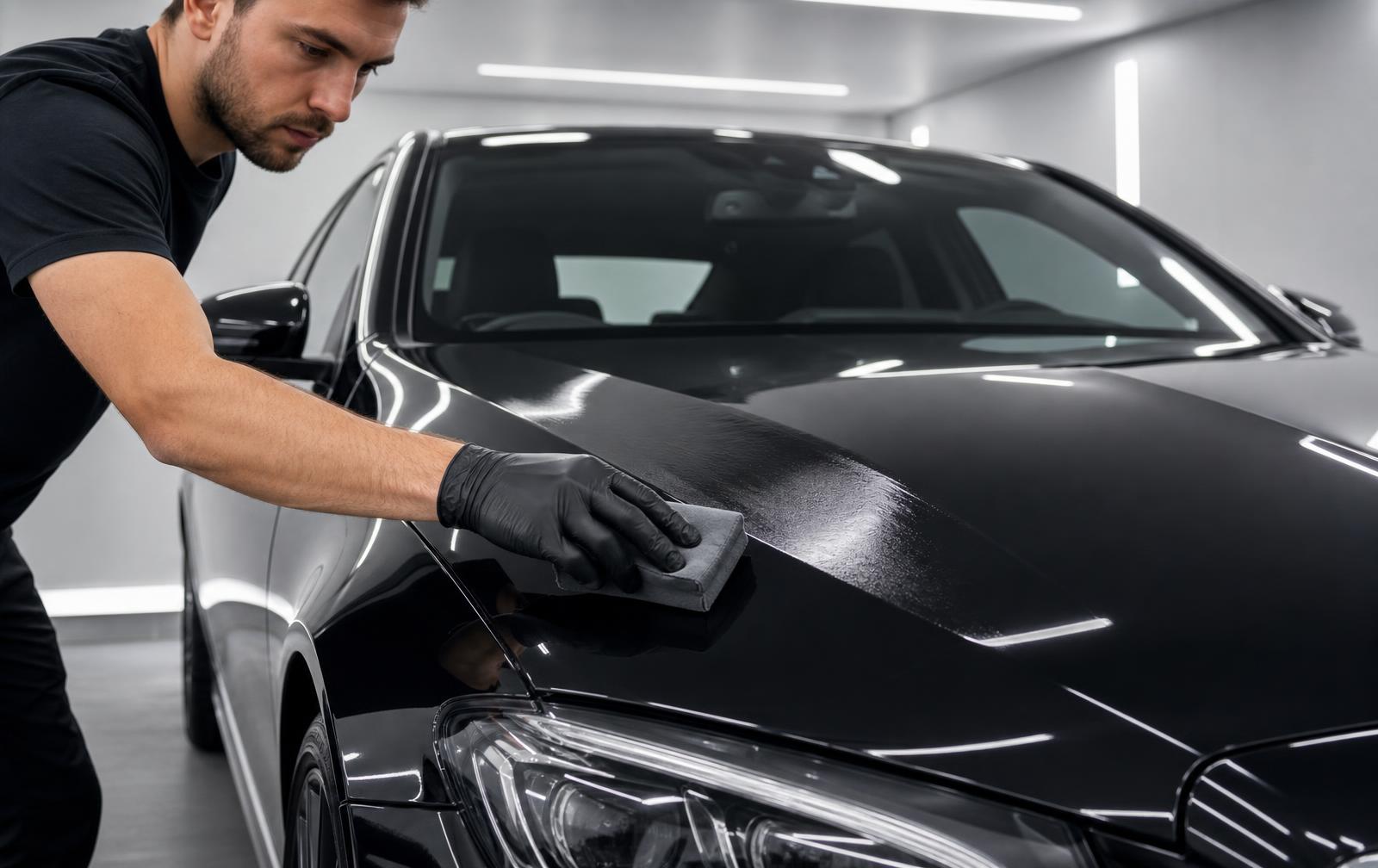
A ceramic coating is a liquid resin — usually silica or silicon-based — applied by hand to prepared paint, where it cures into a hard, transparent sacrificial layer chemically bonded to the clear coat. Unlike wax, which sits on the surface and releases over weeks, a coating is designed to stay put for years and to be removed by polishing rather than by washing.
Everything a coating does well depends on what is underneath it. It is a protective and cosmetic layer over the finish it is applied to — not a treatment that changes the paint itself. That single idea explains most of what follows on this page.
What a coating does
Careful wording matters here. A coating can help preserve a finish and reduce contamination-related deterioration, but it does not make automotive paint immune to UV exposure or aging. Paint still lives outdoors, still gets hot, and still ages. Sun exposure remains a real factor — the reading in our Carolina summer UV care guide applies to coated cars too.
- Creates a slick, hydrophobic surface so dirt, pollen and road film release with far less effort during a wash
- Resists chemical staining and etching from bird droppings, sap and industrial fallout better than wax or sealant
- Adds a durable sacrificial layer that takes environmental contact instead of the clear coat, helping preserve the finish over time
- Increases gloss and depth, particularly over corrected paint
- Lasts years rather than weeks when installed properly and maintained
What ceramic coating will not do
A ceramic coating is also not paint protection film. PPF is a physical urethane film applied over panels to absorb impacts; a coating is a chemical layer measured in microns. They solve different problems, and no coating should be sold as a substitute for film.
Coating over damaged paint locks the damage in under a durable layer. If the finish already shows defects, paint correction comes first.
- It is not scratch-proof. Hard contact, grit dragged across a panel and poor wash technique still mar the surface.
- It will not stop rock chips. Highway debris on I-77 or I-485 does not care that a coating is present.
- It will not survive keys, shopping carts or collision damage.
- It is not immune to brush-wash damage. Automatic brush tunnels mar coatings the same way they mar clear coat.
- It does not make a vehicle water-spot-proof — minerals in the water are the problem, not the surface tension.
- It is not maintenance-free, and it does not keep a car permanently clean. It makes cleaning easier and safer, which is a different claim.
Ceramic coating for Charlotte conditions
Charlotte is not a desert climate, and coatings here earn their keep for different reasons than they do in the Southwest. The local problem is organic: heavy spring pollen from oaks and pines, sap and droppings from the mature tree cover in neighborhoods like Myers Park and Dilworth, humidity that keeps films damp on the paint, and summer storms that leave dust-laden residue behind when they dry.
Add long, hot sun exposure at office lots and apartment complexes, sprinkler overspray in irrigated subdivisions, and a wash cadence that has to increase during pollen season, and the result is a finish that gets touched — chemically and physically — far more often than in a dry climate.
That repeated contact is where coating helps. A properly coated, properly maintained surface generally releases contamination with less dwell time, less product and less mechanical effort. It does not prevent pollen, sap or droppings from landing; it makes their removal a gentler process, and gentler washing is what preserves paint over years. See our guide to pollen and Charlotte paint and removing sap and bug residue.
Is ceramic coating worth it in Charlotte?
Not universally. It is worth it when the vehicle, the exposure and the owner's habits line up.
| A coating usually makes sense when | Something simpler may make more sense when |
|---|---|
| The vehicle is new or well-maintained and the finish is in good shape | The paint needs body or refinish work first |
| It is parked outdoors at home, work or an apartment lot | The car regularly goes through brush tunnels |
| It sits under trees and collects pollen, sap and droppings | You want inexpensive short-term protection before a sale |
| It is a luxury, performance or EV finish where appearance matters | You do not plan to wash it with any particular care |
| You plan to keep the vehicle several years | You prefer a seasonal top-up you can redo yourself |
| The paint has been corrected and you want to protect that work | The vehicle is a short-term lease with low appearance stakes |
Not sure whether coating, sealant or wax fits the vehicle and how you use it? Tell us the car, where it parks and how you wash it, and we'll give you a straight answer. Call (980) 441-5881 or request a quote.
If a coating is not the right fit
There is nothing wrong with traditional protection. Car waxing gives warm gloss and short-term protection with almost no commitment. Paint sealant sits in the middle: months of durability, less preparation than a coating, and no long cure requirements. Our ceramic coating vs wax comparison walks through the trade-offs in more detail.
Is your paint ready for a coating?
Coating does not repair paint. It seals in whatever condition the surface is in on installation day, and because it adds gloss and clarity, it can make existing defects easier to see rather than harder.
Before quoting a coating we look for the conditions below, because each one changes the amount of preparation involved.
- Swirl marks and wash-induced marring from tunnels, brushes or dirty towels
- Water spotting and mineral etching from sprinklers or drying in the sun
- Oxidation and chalky, faded panels on older or heavily sun-exposed finishes
- Bonded contamination that a wash cannot remove — see paint decontamination and clay bar treatment
- Scratches ranging from fingernail-catching damage to fine surface lines
- Failing or thinning clear coat, which rules out coating until the panel is refinished
Do I need paint correction before ceramic coating?
It depends entirely on the vehicle. There is no honest universal answer, and anyone who quotes multi-stage correction sight unseen is selling hours rather than solving a problem.
A new or carefully maintained car may need very little: decontamination, a light polish to remove haze and dealer wash marks, then coating. A three- to five-year-old daily driver washed at tunnels may need a full correction stage before the paint is worth protecting at all — otherwise you are paying to preserve swirls under a durable layer.
A coating raises gloss, but it does not remove defects underneath it. The distinction is simple: paint correction improves the finish; ceramic coating protects the properly prepared finish afterward. Read paint correction vs polishing if you want the technical difference, and see paint correction in Charlotte for how we approach it.
The ceramic coating process, step by step
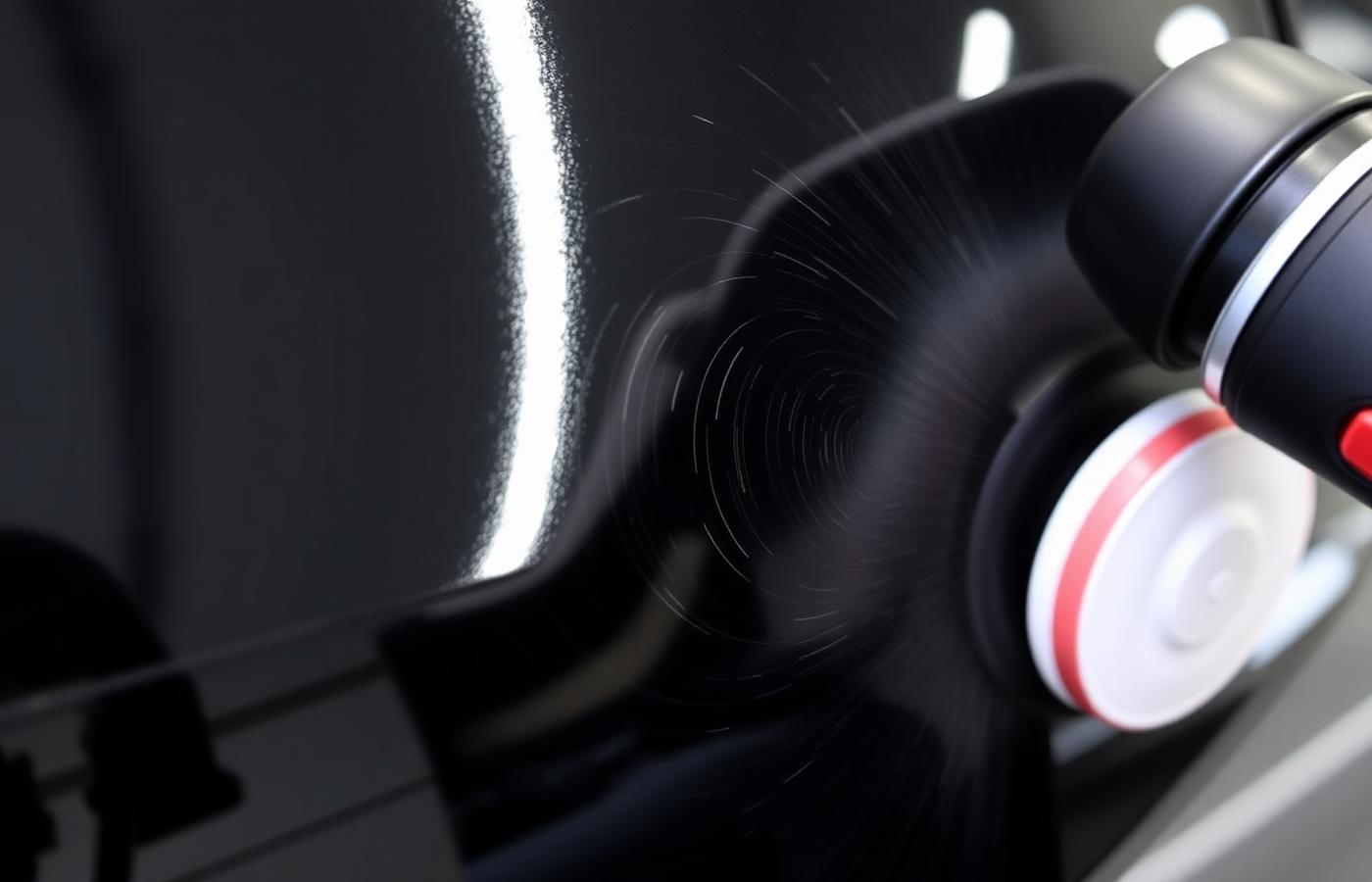
Preparation is often the most labor-intensive part of a proper ceramic coating installation. The application itself is comparatively quick; everything before it is what determines how the coating performs and how long it lasts. A coating quoted as a two-hour job is a coating with the preparation removed.
- 1Inspection. Evaluate contamination, defects, paint condition and what you actually want from the result.
- 2Thorough exterior wash. Remove loose contamination without adding marring — see safe washing technique.
- 3Chemical decontamination. Address iron particles, road film and tar where present.
- 4Mechanical decontamination. Clay or an equivalent method where the surface still feels rough after chemical work.
- 5Paint evaluation. Inspect the clean surface under appropriate lighting to see what is really there.
- 6Correction or enhancement polishing. Level defects to the agreed standard — anything from a light gloss pass to multi-stage work.
- 7Final panel preparation. Wipe down to remove polishing oils and residue so the coating can bond to bare clear coat.
- 8Coating application. Apply and level panel by panel according to the requirements of the coating system used.
- 9Initial curing. Keep the vehicle out of conditions that could interfere with the coating while it sets.
- 10Final inspection and aftercare. Walk the vehicle with you and explain how to wash and maintain it from here.
Mobile ceramic coating in Charlotte
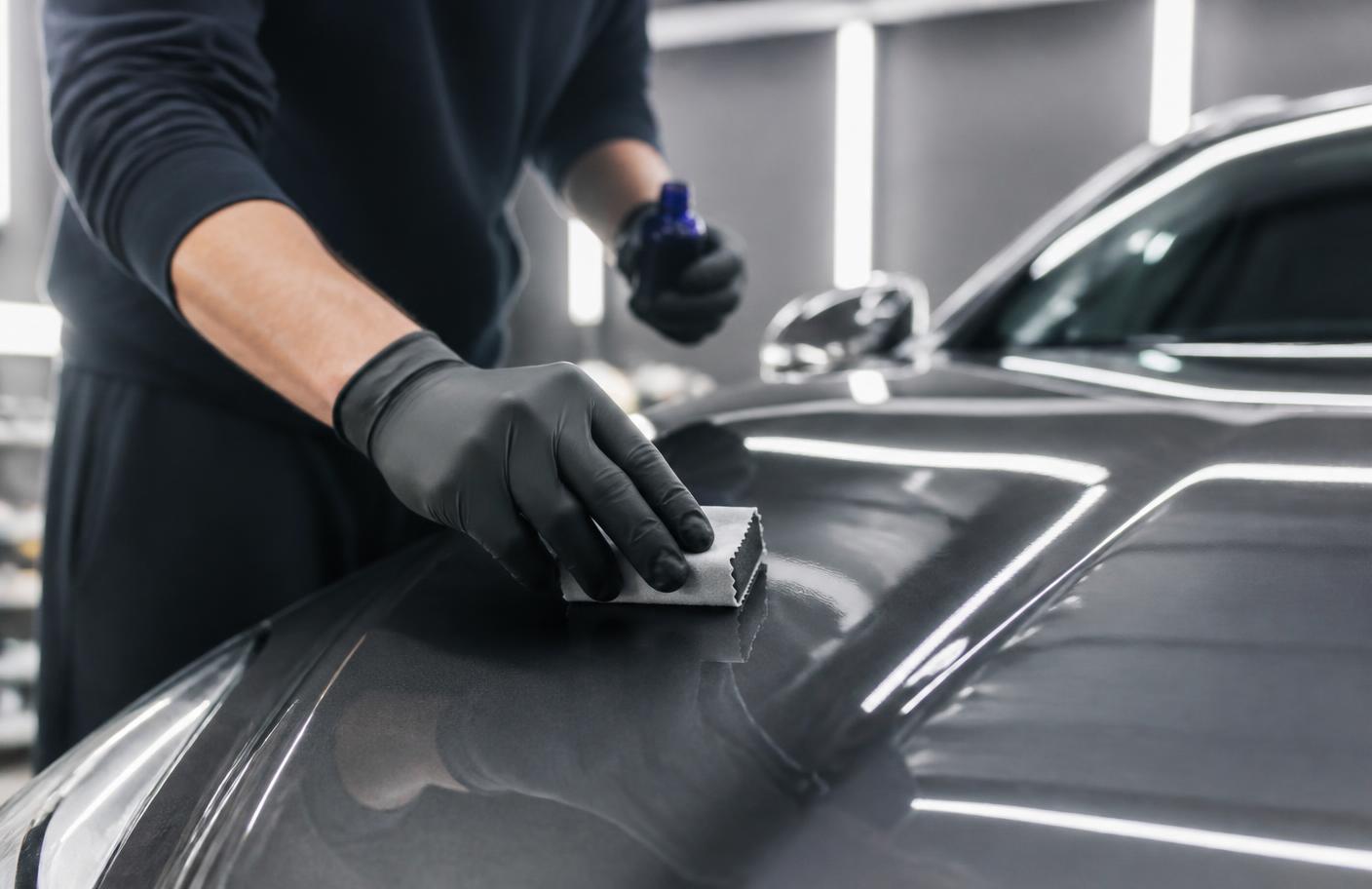
We are a mobile operation, and coatings can be installed at your home, workplace or another suitable location — but only when the workspace and conditions genuinely support it. Coating chemistry is sensitive to what is in the air and on the panel while it flashes and levels.
What makes a location workable: a garage or covered area, enough room to walk fully around the vehicle, power and water access, and shelter from wind, rain, irrigation and airborne debris. What makes it unworkable: active sprinklers, heavy pollen fall, direct sun on hot panels, gusting wind carrying grit, or a forecast that puts rain inside the initial cure window.
Temperature and surface temperature both matter. A panel that has been baking in an uncovered lot in July behaves very differently from one in a shaded garage, and humidity changes how a coating flashes and levels. Garage or covered access is strongly preferred for coating work; open-air installs are viable in the right weather with the right vehicle, but they are a judgment call, not a default.
Charlotte weather affects scheduling, and we would rather move an appointment than force an installation into conditions that will compromise it. If a clear window is not available and the vehicle needs protection now, a durable paint sealant is often the sensible interim choice. More on how mobile work compares in our mobile vs shop detailing guide.
Have a garage, carport or covered spot? Tell us where the vehicle will be and we'll tell you honestly whether it's a good coating environment. Call (980) 441-5881 or request a quote.
What ceramic coating costs in Charlotte
We quote coatings per vehicle after seeing its condition, because the preparation — not the coating itself — is what moves the number. Two identical models can be very different jobs: a one-year-old car washed carefully may need a single light polishing stage, while the same model at five years old with swirls, water spots and bonded contamination may need several times the labor before any coating goes on.
We do not publish flat coating prices, because a fixed price for an unknown amount of preparation is either padded for the easy cars or a shortcut on the difficult ones.
- Vehicle size and panel count — a compact sedan versus a three-row SUV or a crew-cab truck
- Current paint condition and the level of correction agreed on
- Amount of bonded contamination and decontamination work required
- The coating system selected and its preparation requirements
- Which surfaces are included: paint only, or wheels, glass and compatible trim as well
- Accessibility, working room and lighting at the installation location
- Whether the environment allows the work to run without interruption
- Total labor hours, which is ultimately what a coating quote reflects
For a real number on your vehicle, send photos of the paint or describe its condition and we'll quote the work it actually needs. Call (980) 441-5881 or request a quote.
How long does ceramic coating last?
There is no single answer, and advertised longevity always assumes correct installation followed by appropriate maintenance. Real-world durability tracks how a car is washed and stored far more closely than it tracks marketing claims.
A garage-kept weekend car washed by hand every few weeks and an outdoor daily driver parked under trees at an apartment complex are not experiencing the same conditions, even with the same coating on both. Mileage, sun exposure, wash frequency, wash technique, contamination load and whether the surface is decontaminated periodically all shape the outcome.
Coatings also do not fail suddenly — they degrade. Water behavior flattens, the surface stops feeling slick, and cleaning gets harder. At that point the coating is removed by light polishing before a new one is applied. Our detailing frequency guide covers realistic upkeep intervals for this climate.
Ceramic coating vs wax vs paint sealant
None of these is objectively better than the others — they answer different questions. Wax is fine for traditional short-term protection. Sealant is a genuinely good middle option for a daily driver whose owner wants durability without correction work. A coating suits someone protecting a finish worth protecting who will keep washing it properly. Full comparison in ceramic coating vs wax.
| Car wax | Paint sealant | Ceramic coating | |
|---|---|---|---|
| Durability | Shortest — weeks | Medium — months | Longest — years with maintenance |
| Preparation needed | Minimal | Moderate: decontamination, often light polish | Extensive: decon plus correction to the agreed level |
| Application | Simple, forgiving | Straightforward | Exacting; leveling and cure conditions matter |
| Hydrophobic behavior | Present but fades quickly | Good, gradually fading | Strongest and most persistent while maintained |
| Maintenance | Reapply often | Occasional top-up | Careful washing; periodic decontamination |
| Commitment | None | Low | Higher — removal requires polishing |
| Relative cost | Lowest | Middle | Highest, driven mainly by preparation |
| Best suited to | Short-term gloss, pre-sale presentation | Owners wanting durability without the prep commitment | Owners protecting a good finish and willing to maintain it |
Ceramic coating and water spots
This is the most common misunderstanding we hear. Hydrophobic does not mean water-spot-proof. Water carries dissolved minerals; when a droplet dries on any surface — coated or not — those minerals stay behind. On a coated car the water beads more tightly, which can concentrate the deposits into distinct rings.
Charlotte makes this a live issue: irrigation systems throwing overspray onto parked cars, afternoon storms followed by full sun, and hot panels that flash water dry in minutes. Sprinkler water in particular tends to be mineral-rich and lands repeatedly in the same places.
What a coating changes is recovery. Fresh deposits usually come off a coated surface with a proper wash and a mild dedicated product rather than aggressive correction. Left for months in the sun they can still etch. Move the car out of sprinkler range where you can, dry it after washing, and address spots early — see water spot removal.
New car ceramic coating
New vehicles are strong coating candidates, and coating early means protecting the finish before years of washing shape it. But new does not automatically mean ready. Cars arrive with transport film and rail dust, sit on lots collecting fallout, and are commonly prepped with a quick dealer wash that leaves fine swirls in soft fresh paint.
So a new car still gets inspected, decontaminated and prepared — often with a light polishing stage to remove dealer wash marks rather than a full correction. That is a much smaller job than correcting a neglected finish, and it is usually the least expensive coating you will ever have installed on that vehicle.
Luxury vehicles, Teslas, EVs and larger vehicles
Coating decisions depend far more on finish condition, exposure and how long you plan to keep the vehicle than on the badge. That said, some categories come up repeatedly.
Luxury and performance cars often carry dark or soft paint where swirls show immediately, so the correction stage matters more and the gloss payoff is larger. Teslas and other EVs frequently arrive with softer factory finishes and heavier panel-gap texture, and owners tend to want an easy-wash surface for a car they otherwise service rarely. SUVs and trucks simply have more surface area, plus roof and cargo-area panels that are harder to wash and benefit from a slicker surface. Ordinary daily drivers are perfectly valid candidates too, provided the paint is in decent shape and you plan to keep the car.
Coating wheels, glass and trim
Paint is not the only surface worth protecting, though products are not interchangeable — a coating formulated for clear coat is not automatically appropriate for glass or plastic trim, and we use the right product for each surface rather than one bottle everywhere.
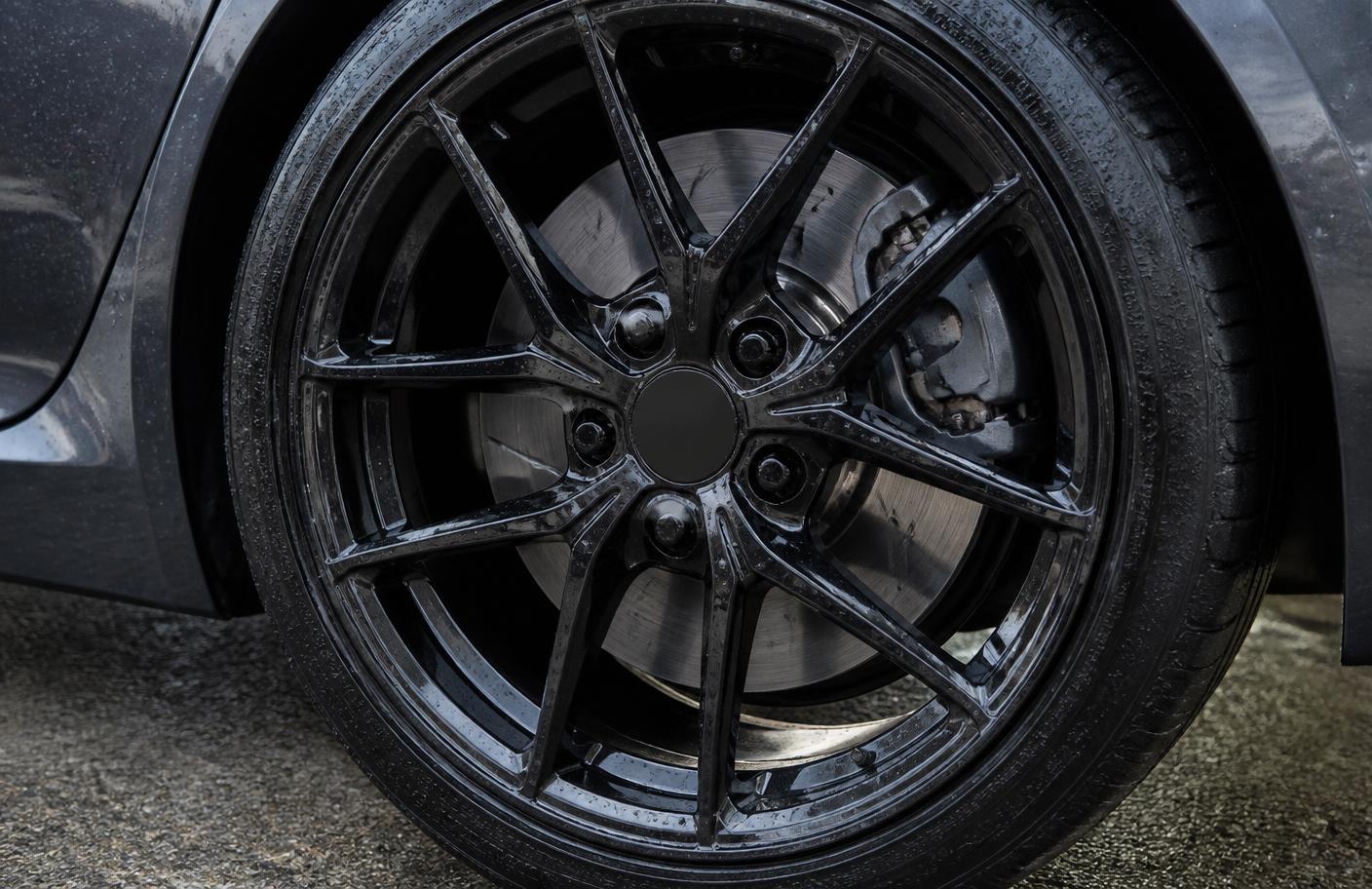
- Wheels. Wheel coatings tolerate brake heat and make baked-on brake dust and road film release far more easily, which matters on the wheel faces that are hardest to clean.
- Glass. A glass coating creates strong hydrophobic behavior on the windshield, improving visibility during Charlotte's summer downpours and making bug and pollen residue easier to clear.
- Trim. Compatible products can be used on certain exterior plastic and rubber trim to slow fading and reduce staining, depending on the material and its current condition.
Living with a coated vehicle
A coating rewards good habits and punishes bad ones faster than wax does, because you are maintaining a surface intended to last years rather than weeks.
- Follow the initial cure and first-wash instructions provided for your specific installation — those requirements depend on the coating system used, not on a universal rule
- Wash by hand, typically every one to two weeks, and more often during pollen season
- Use a pH-appropriate automotive shampoo, not dish soap or household cleaners
- Use clean wash media and a two-bucket method; dirty mitts and towels are the main cause of marring on coated cars
- Avoid automatic brush tunnels entirely — they mar coatings exactly as they mar clear coat
- Dry deliberately with clean drying towels or filtered air instead of letting mineral-laden water flash off in the sun
- Remove bird droppings and sap promptly; a coating buys time, not immunity
- Rinse heavy pollen off rather than wiping a dry, gritty film across the paint
- Keep the car out of sprinkler range where practical, and address water spots early
- Decontaminate periodically — even coated paint accumulates bonded contamination over a season
- Book maintenance detailing on a schedule, or a regular mobile car wash if you would rather not wash it yourself
Why pollen still matters on a coated car
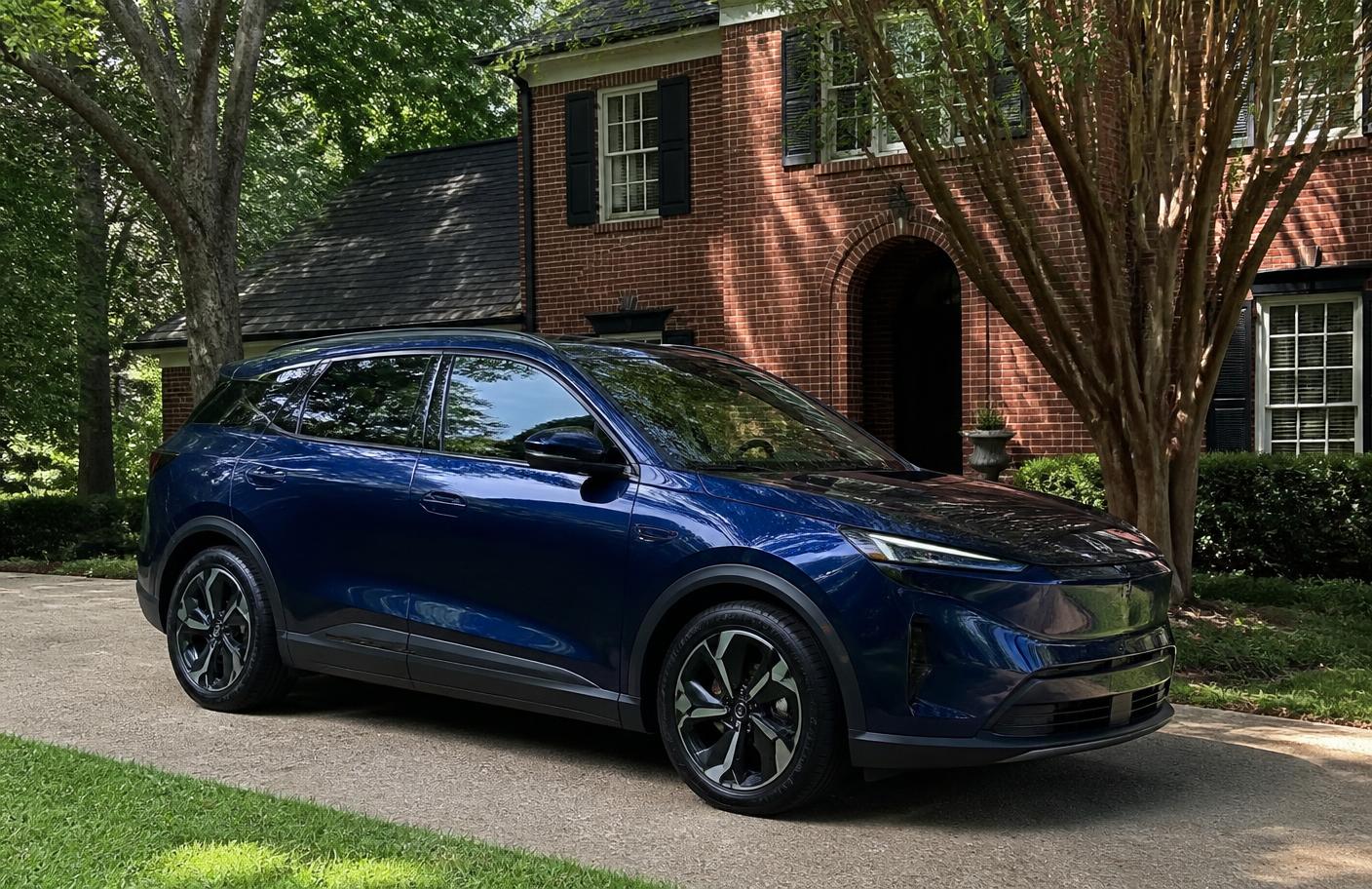
Charlotte's spring pollen load is heavy enough that coated cars visibly turn yellow-green within a day of a wash. A coating does not mean pollen can be ignored, and it does not neutralize anything — the practical benefit is only that the film sits on a slicker surface and rinses away more readily.
The real risk during pollen season is not the pollen itself but how people remove it. Wiping a dry, pollen-covered panel with a towel or a duster drags abrasive particles across the finish, and combined with the humidity and rain that follow, that dry film mixes with dust and road grime into something that should be washed off rather than buffed off.
Rinse first, wash with plenty of lubrication, and let the coated surface do the work. Full detail in our Charlotte pollen and paint guide.
Where coating fits in the rest of the work
Coating is the final step in a sequence, not a standalone service. In practice it sits at the end of exterior detailing: decontamination, correction where needed, then protection. If you want the interior brought to the same standard at the same visit, that runs alongside as part of a full detail.
For a broad view of what different levels of work cost in this market, see our Charlotte detailing cost guide.
Frequently asked questions
Related pages
Paint Correction in Charlotte
Polishing that removes defects instead of hiding them. Correction levels a microscopically thin layer of clear coat so light reflects cleanly again.
Read morePaint Sealant in Charlotte
The practical middle ground: far more durable than wax, far less expensive and less demanding than a ceramic coating.
Read moreCar Waxing in Charlotte
The traditional protection layer. Waxes give dark paint a warm, wet look that synthetics rarely match — at the cost of durability.
Read morePaint Decontamination in Charlotte
Washing removes what sits on the paint. Decontamination removes what has bonded to it — the embedded particles that make clean paint still feel rough.
Read moreWater Spot Removal in Charlotte
Not all water spots are the same. Some wipe away with the right chemistry; others have physically etched the clear coat and require polishing.
Read moreCeramic Coating vs Wax vs Sealant
All three make water bead. That is where the similarity ends — they differ in how they bond, how long they last and what they protect against.
Read moreBook mobile detailing in Charlotte
Tell us the vehicle, its condition and where it will be parked. We'll confirm what the vehicle actually needs and what it will cost before any work starts.